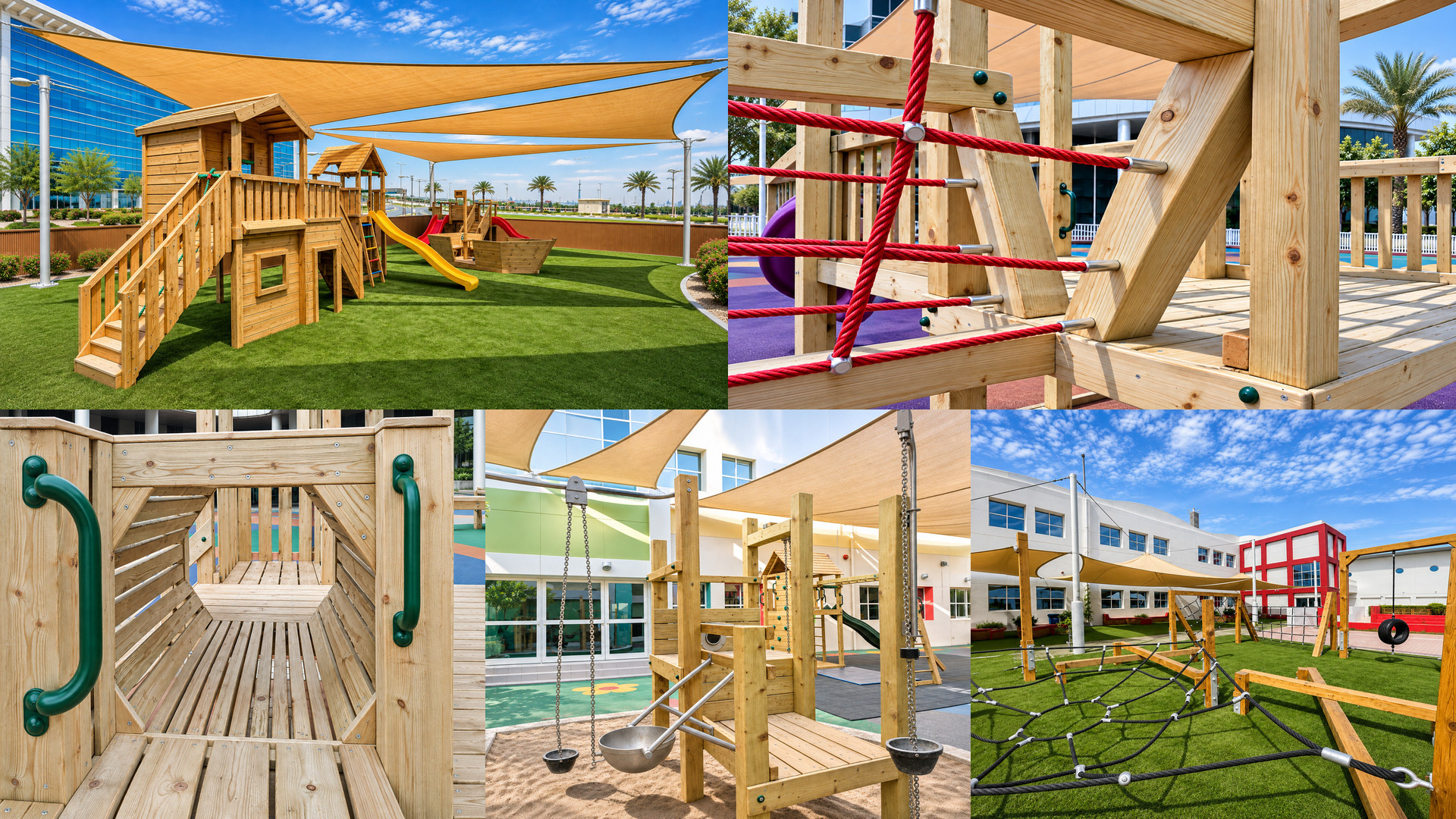
For a school or community manager, a playground is an everyday asset. Children use it repeatedly, often in different ways, and small signs of wear can develop between major maintenance visits. A consistent inspection process helps operators understand what is changing and what needs attention.
Know the difference between looking and inspecting
A quick daily visual check can help identify obvious issues such as litter, vandalism, broken components, or new obstructions. It is useful, but it does not replace more detailed operational inspections or periodic independent assessments where required. Inspection arrangements should reflect the equipment, manufacturer guidance, use levels, and applicable standards.
Give high-use components extra attention
Moving equipment, connections, steps, handholds, and access points experience repeated use. Inspectors should watch for damage, unusual movement, missing components, and deterioration. Any suspected hazard needs an appropriate response, including restricting access when necessary.
Don't forget the surface
The play surface is a functional safety component. Check for damage, changes in level, drainage problems, and wear around heavily used landing areas. Different surfaces require different maintenance methods. If impact performance is in question, a competent specialist should advise on the appropriate assessment.
Keep clear records
Inspection logs help schools and community managers demonstrate that concerns were identified and addressed. A practical record can include the inspection date, area checked, observations, photographs, risk priority, action owner, and completion date. It also makes repeat issues easier to spot.
Plan repairs around how the site operates
Schools may prefer major work during holidays or outside teaching hours. Communities may need temporary barriers and clear communication with residents. Good planning reduces disruption, but urgent hazards should never be deferred simply because a quieter period is coming.
Budget for maintenance, not just installation
A playground's life-cycle cost includes routine care, periodic replacement of worn parts, surfacing repairs, and professional inspections. Building maintenance into annual facilities planning helps avoid treating every issue as an unexpected expense.
Work with the right people
Specialist inspections and repairs should be undertaken by appropriately competent providers. A maintenance contractor can advise on repair scope, but the site operator remains responsible for managing access and acting on identified risks.
Need Help Reviewing Your Playground?
Looking after a playground in a UAE school, nursery, or residential community? Contact BoomTree to discuss maintenance and refurbishment needs and the information required for an initial review.